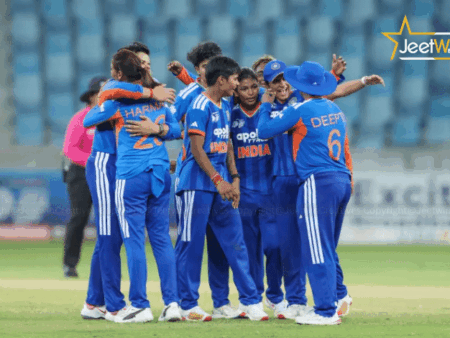
The laws of cricket served as the core foundation of the sport. It ensures that its sports competitions are guaranteed to be fair, maintain order, and give a structure to how the cricket sport is played at different levels, starting from key low matches to international games. The Marylebone Cricket Club (MCC) plays a vital role in establishing and maintaining these cricket laws. In essence, the cricket laws and the MCC’s role in upholding them are important for maintaining the integrity and fair play that are fundamental to the spirit of cricket.
Section 1: Overview of Cricket Laws
In explanation, the cricket laws are the rulebook that defines how the cricket game is being played on the field, from the basic structure to the finer details of scoring runs, taking wickets, and many more. These laws create a fair playing field for participating teams and players, ensuring the matches run smoothly and consistently. In the end, the laws of cricket are the prime foundation of its matches. Its purpose is to promote clarity in how it is played and guarantee that cricket is supported at all levels.
Historical background of the laws of cricket.
In terms of the historical background of the laws of cricket, they have unknown origins, but they were recorded in the 16th century at Guildford. Many believed it was a boy’s game, but in the early 17th century, adults played it. In 1744, the first code of laws was enacted and will continue to persist. Many years later, Marylebone Cricket Club (MCC) was established in 1787 and bore the responsibility of maintaining the cricket laws. The MCC later published the first laws of cricket; additions like leg before wicket (LBW) and declaration were introduced during this period. As the years passed, the cricket laws of today became the Cricket 2017 Code, which replaced the 6th edition of the 2000 Code of Laws. In the end, being the custodian of the laws remains one of the MCC’s underlying roles. That is some of the historical background of the laws of cricket.
History and Role of the MCC (Marylebone Cricket Club)
Considering MCC’s history, it was a cricket club founded in 1787 and formerly the governing body of cricket, and yet its role remains to have a global impact. The origin of MCC was as a gentlemen’s club, which flourished through the 18th century. Therefore, the MCC played a fundamental role in standardizing the laws of cricket, issuing the first official code in 1788 for cricket. This code laid the foundation for the game’s structure and fair play today. Not until the International Cricket Council (ICC) was established in 1989, taking over the governance of MCC,
Now, MCC has moved its focus towards promoting cricket globally and preserving its history. MCC continues to promote the importance of sportsmanship and fair play in cricket, upholding its core values. Therefore, the MCC’s legacy lies in its contribution to shaping cricket into a globally recognized sport with a rich tradition and a well-defined set of rules. Even though it is not the main governing body of the cricket sport. Furthermore, the MCC remains the custodian of the Laws of Cricket, with the authority to review and update them.
Section 2: A Detailed Examination of Cricket Laws
In this guide, we are going to briefly overview, one by one, the 42 laws of cricket. So make sure you stay tuned for every discussion we aim to provide here.
Law 1: A cricket team should be composed of 11 players, including the captain.
Law 2: This law focuses on the fact the fact that there should be two umpires.
Law 3: This law is about two scorers who act on the umpire’s signals and keep the score.
Law 4: This law emphasizes the correctness of the ball’s size and weight, including the rules for using the ball in cricket games.
Law 5: This law emphasizes the correctness of the playing bat used in cricket games.
Law 6: This law emphasizes the proper size of the pitch or playing ground where cricket games are played.
Law 7: This law emphasizes the correct dimensions and locations of the creases in cricket games.
Law 8: This law emphasizes the correct size of wicket that is used in cricket games.
Law 9: This law establishes the standards for pitch preparation, mowing, rolling, and maintenance.
Law 10: This law focuses on the covering of the pitch whenever possible in case there is wet weather.
Law 11: This law establishes the correct intervals between the cricket games. The timing and length of the intervals must be agreed upon before the match.
Law 12: This law focuses on the start and end times of cricket games.
Structure of an Inning
Law 13: This law centers on the innings set in cricket games.
Law 14: This law is about the follow-on rules in the game of cricket.
Law 15: This law is about the captain declaring innings and forfeiture.
Law 16: This law talks about the proper results of the cricket match.
Overs and Runs
Law 17: This law focuses on the rules of the overs in cricket games.
Law 18: This law talks about the scoring of runs in cricket games.
Law 19: This law focuses on the boundary rule obtained in cricket games.
Law 20: This law is all about the dead ball rule in cricket games.
Law 21: This law focuses on the no-ball rule in cricket games.
Law 22: This law is about the wide ball rule in cricket games.
Law 23: This law centers on the bye and leg-bye rules in cricket games.
Players and Substitutes
Law 24: This law talks about the fielder’s absence in cricket games.
Law 25: This law is all about Batman’s innings in cricket games.
Law 26: This law focuses on the practice in the field that takes place during intervals.
Law 27: The law is about the wicket-keeper players allowed in cricket games.
Law 28: This law talks about the fielder’s role in cricket games.
Dismissal
Law 29: This law focuses on dismissal when the wicket is down in cricket games.
Law 30: This law applies when the batsman is out of his ground when playing cricket games.
Law 31: This law focuses on the right to appeal when the batsman is out in cricket games.
Law 32: This law is about being bowled in cracker games, and that batsman is out.
Law 33: This law is about the batsman being caught when the ball strikes his bat or his hand holding the bat.
Law 34: This law applies when the batsman hits the ball twice, then he is out.
Law 35: This law focuses on when the batsman hits the wicket and applies to his dismissal.
Law 36: This law is all about the leg before wicket that applies to the batsman’s dismissal.
Law 37: This law talks about the batsman’s obstruction of the field.
Law 38: This law applies to the batsman who runs out in cricket games.
Law 39: This law centers on the stump experienced by a batsman.
Law 40: This law talks about the time out experienced by a batsman.
Conduct
Law 41: This law centers on the unfair play in cricket games.
Law 42: This talks about the wrong player’s conduct.
Key Laws and Their Importance in the Game
In the following sub-section, there are main rules that have an important role in cricket matches, and they are the following:
Law 4: The Ball
This law defines the specifications of the cricket ball, including its weight, size, and material. A standardized ball ensures fairness for both teams and a consistent bounce throughout the match.
Law 41: Unfair Play
This law goes beyond everything and emphasizes the spirit of cricket. It prohibits actions that undermine fair play and the game’s spirit.
Law 18: Scoring runs
This law defines how runs are scored in cricket games. This clarity prevents confusion and ensures fair scoring throughout the match.
Test cricket rules
A test match in cricket is scheduled to last for a maximum of five days. There are mandatory breaks in between sessions of this cricket tournament. In terms of teams, there are two of them with eleven players each competing in a test match. Each team gets two innings to bat, intending to score as many runs as possible. There is no set time limit for an innings, but the match can end before five days if a result is achieved. A bowler can bowl a maximum of 10 overs in a row before taking a rest. However, a minimum of 90 overs bowled per day is required. Nevertheless, the results of this match can be outright wins, innings victories, or draws.
How These Laws Apply in Different Formats (Test, ODI, T20)?
All formats (test, ODI, and T20) adhere to the fundamental laws regarding dismissals, scoring runs, and player conduct. The basic framework of the game, including the use of pitch and cricket equipment, remains uniform. Law 1 in the laws of cricket is equally emphasized across all formats.
What are the Differences Between Test cricket Rules and Rules for other Formats?
Test Cricket: longest format, played for a maximum of 5 days. Each team gets two innings of unlimited duration.
ODI (One-Day International): Limited to 50 overs per team. Each team gets one inning in total to bat over the cricket game.
T20 (Twenty20): Shortest format in cricket games so far. Moreover, it is played over 20 overs per team. Each team has one inning to bat in the said cricket game.
Section 3: Common Cricket Rules and Regulations
In this section, we aim to provide basic rules that apply to all formats of cricket games. Here are the general cricket rules that you must know.
In all cricket formats, there are two teams of eleven players each competing. The objective here is to score more runs than the opposing team in the cricket playing field. The runs are scored by running between the wickets after hitting the ball, hitting boundaries (fours or sixes), and even through penalties for wides and no-balls. Each team gets a turn to bat in innings. The number of innings varies depending on the format. An over normally consists of six balls being bowled by one bowler in cricket games. The number of overs bowled per inning also differs by format.
Moreover, the playing conditions in cricket games differ from each format. Test cricket is the longest format of cricket games that is played over a maximum of five days. For ODI (One Day International), the match typically lasts for a full day. Lastly, there is the T20, with matches generally lasting for a few hours.
The above-mentioned 42 laws are the only MCC Cricket Rules, and they apply to cricket games. However, in terms of the enforcement of these cricket laws during the matches, These laws are carried out by certain people in cricket games, and they are the umpires and match referees. The MCC Cricket Rules provide the framework for fair play, but it is the umpires and referees who act as the guards of the sport during game matches. Through their supervision, decisions, and cooperation with players and captains, they ensure a smooth flow of play in cricket matches and maintain the honesty of the sport.
Section 4: Frequently Asked Questions
How many rules are there in cricket?
Under the MCC Cricket Rules, there are a total of 42 laws that apply to cricket games. Each section focuses on specific areas like the structure of an inning, equipment, scoring runs, players and substitutes, dismissals, player conduct, and appeals.
Who is responsible for creating and updating the laws of cricket?
Even though the ICC, or International Cricket Council, is the global governing body for cricket, The ICC still depends on the MCC (Marylebone Cricket Club) to write, interpret, and update the laws of cricket.
How often are the laws of cricket updated?
In terms of cricket updates, the MCC has re-coded the Laws of Cricket six times, including interim updates that resulted in several editions of the said cricket laws.
What is the difference between the laws of cricket and playing conditions?
The laws of cricket are the fundamental rules that govern all formats of cricket games. (Be it a Test Match, ODI, or T20.) It serves as a rulebook for cricket games to have fair and honest results. However, the playing conditions are additional rules that are set by the cricket governing body for a particular match, like the ICC for international matches. Therefore, it is built upon the laws to address specific format variations.
What are the key rules in Test cricket?
As per the Test Cricket Rules, each team is allowed to play two innings each, and the match is to last for five days. The objective of playing is to score more runs than the opposing team in cricket games. Teams have 10 wickets to play individually in their innings.
How will the Decision Review System (DRS) work in cricket games?
DRS in cricket is a technology-based system that assists cricket players in requesting reviews of the on-field decisions made by umpires. Overall, the DRS plays a crucial role in promoting fair play and reducing umpiring oversights in cricket.
What constitutes unfair play in cricket?
If an umpire believes that a player’s action is unjust or not covered by the law, he shall call and indicate a dead ball. As soon as it is obvious that the call would not bias the non-offending side, it would tell the situation to the other umpire.
How is a batsman dismissed in cricket?
There are 10 ways a batsman is dismissed in cricket. It can be caught, bowled out, leg before wicket, run out, stumped, hit wicket, obstructing the field, hit the ball twice, timed out, and the last one is retired out. However, if one of these scenarios happens, then a batsman can be dismissed in any cricket match.
What is the power play in cricket?
The powerplay in cricket refers to a specific period or a specific set of overs within an inning in limited-overs formats (ODIs and T20s) where fielding restrictions are imposed.
How many umpires officiate a cricket match, and what are their roles?
Two umpires oversee the playing field in the cricket games. One umpire position at the bowler’s end. The second umpire position is where there is a clear view of the batsman’s position. However, sometimes a third umpire can happen, especially in limited-overs cricket (ODI and T20). This umpire is stationed off the field and is the one who has access to video replays.
What is the role of the match referee in cricket?
Even though the match referee never steps on the playing field during a real cricket match and makes no decisions relevant to the play or result of the game, he still has certain duties to do. They conduct the toss, ensure the ICC code of conduct is being followed in the cricket games, and lastly, send match reports to the ICC.
How is a cricket pitch prepared, and what are the regulations regarding its maintenance?
Preparing and maintaining a cricket pitch is a thorough method that ensures a fair and stable pitch surface throughout an entire match. Here are the main processes for how it is prepared for cricket matches. These include rolling, mowing, chemical applications, scarification, drag brushing, fertilizer, and other applications. Throughout the entire season, as part of the regulations, the pitch is preserved through the said maintenance and is being followed and done accordingly.
What is a no-ball in cricket, and what are the consequences?
A no-ball in cricket refers to an illegal delivery made by the bowler. On a no-ball, the batting team receives an extra run, the batsman can only be out in certain ways, and the bowler must deliver the ball again. Therefore, no ball is considered unfair to the game’s batsman.
What are the fielding restrictions in limited-overs cricket?
Fielding restrictions in limited-overs cricket (ODIs and T20s) are rules that limit the number of fielders a team can place outside a certain area of the field during specific sections of an inning.
How are tie matches resolved in different formats of cricket?
In test cricket, there are no tiebreakers used in this cricket format to result in tie matches. However, when tie matches occur in ODI and T20 cricket, there should be a super over. The Super Over is a tie-breaking method used in limited-over cricket matches. In which both teams will play a single additional over to determine the winner.
What are the responsibilities of a cricket captain?
The role of the cricket captain revolves around these responsibilities. The captain is part of team selection, strategy and planning, team management, tactical decisions, decision-making, and above all, leadership functionality within the team.
How are over-rates monitored and enforced in cricket?
The official scorer at the cricket ground keeps track of the number of overs bowled in cricket games. Moreover, this person calculates the overrate throughout the match. It is enforced by setting expected overs for the specified period. However, the number of overs needed to meet varies depending on the cricket format.
What is the follow-on rule in Test cricket?
The follow-on rule in Test cricket is a process that allows the team batting first to put pressure on the team batting second by asking them to bat their second innings immediately after their first innings.
What is meant by a ‘dead ball’ in cricket?
A dead ball in cricket is a scenario in which the umpire briefly stops play and declares the ball dead. Thus, indicating that it is no longer in play. During dead ball time, batsmen cannot be dismissed, runs cannot be scored, and fielders are not capable of making a play to eliminate a batsman.
How are substitutes used in cricket, and what are the restrictions?
A substitute can fill in for an injured or ill player on the playing field. However, they cannot bowl, bat, or even function as captains unless otherwise approved by the cricket captains.
What is the rule for handling the ball during play?
Batsmen are not allowed to touch the ball with their hands that are not holding the bat. This applies while the ball is in play. With exceptions, protecting themselves from injury caused by the coming ball and with the umpire’s consent.
How is the toss conducted, and what are its implications?
Here, the toss is the flip of a coin to reveal which captain will conclude who is the batting or fielding at the start of the cricket match. However, the implications can have potential advantages for batting or bowling. It might be preferable to put up a big total or put pressure on the opposing team early.
What are the regulations regarding player conduct on the field?
The Marylebone Cricket Club (MCC) is the one who maintains and preserves the laws of cricket. However, it outlines the Laws of Cricket, which include regulations for player behavior. These are the key aspects of a player’s conduct, including respect for umpire decisions, sportsmanship, avoiding physical contact, keeping away from disrespectful language, time-wasting, and above all, maintaining the player’s professional appearance and behavior on the field.
How are injuries and player replacements handled during a match?
In cricket, injuries can interrupt the flow of the sport. To handle such an occurrence, the player will immediately signal to the umpire and leave the field for medical attention. This comes as a substitution in the cricket game. We know most teams nominate a substitute player before the toss. This substitute can replace any member of the team who suffers an injury during the match.
What is the rule for running between the wickets?
Running between the wickets, also known as taking runs, is a fundamental part of scoring runs in cricket. The batsman’s objective is to run between the wickets to complete a run. Both batsmen must be completely behind the crease at either end of the wicket with any part of their body to score a run.
How is the boundary line defined, and what are the scoring rules associated with it?
The boundary line in cricket refers to the outside border of the playing field. It acts as a crucial marker for the gameplay and scoring of cricket matches. The boundary line marking serves to outline the cricket pitch. It represents the extent to which a batsman may hit the ball and score runs without physically running between the wickets. The position of the ball after a hit determines how many runs are scored. If the ball is struck into the boundary line, the batsman receives an automatic four runs. If the ball is struck past the boundary line without touching it, six runs are immediately given.
What are the regulations for the use of protective gear in cricket?
In cricket, player safety is the utmost priority, and protective gear plays a crucial role. Mandatory equipment is observed and must be used, including helmets, leg pads, and gloves. While some are mandatory to use, like arm guards, thigh guards, and abdominal guards, the protective gear should be properly sized and well-maintained to ensure protection. Overall, the regulations for the use of protective gear in cricket are to ensure safety while playing.
What constitutes a fair delivery in cricket?
A fair delivery plays a crucial role in safeguarding a balanced competition between the batsman and the bowler. In short, a fair delivery aims to provide the batsman with a fair chance to play a shot without any advantage acquired by the bowler through a biased bowling act. It warrants a playing field where the batsman has the chance to score runs and the bowler has a chance of taking wickets.
What are the laws regarding appealing for a wicket?
An appeal for a wicket is the process by which the fielding team formally asks the umpire to rule a batsman out. Therefore, an umpire may not rule a batter out unless the fielding side appeals for a decision.
How is the result of a cricket match determined if play is interrupted by weather?
When bad weather disrupts a cricket match, the outcome is determined based on specific rules, depending on the format of the game. There needs to be a minimum number of overs bowled by each side for a match to have a result. In ODI, the minimum is 50 overs per team, and in T20, the minimum is 5 overs per team. If the minimum overs are not bowled due to weather and it’s impossible to continue the match, the result is announced as “no result.” However, if the interruption happens after the minimum overs have been bowled by both teams, the Duckworth-Lewis Method (DLS) comes into play.
What are the rules regarding the use of technology in cricket?
There is no single law in cricket that governs the technology used in cricket. Instead, it addresses a combination of regulations set by the ICC and specified conditions. The ICC outlines the technological tools that are approved in international cricket, including hawk-eye, ultra-edge, ball-tracking technology, and others.
How are wide and no-ball penalties decided?
A wide ball is one that the umpire judges to be too far outside the batsman’s reach for them to play a cricket shot from their standing position. If a wide happens, the batting team is awarded one run as a penalty, whether the batsman attempts a shot or not. The run is counted toward the team’s total, not the individual batsman’s score.
A no-ball is an illegal delivery bowled by the bowler that violates the laws of cricket. A no-ball also awards the batting team one run as a penalty. Furthermore, the batsman cannot be dismissed for that delivery. What is more, the batsman also gets a chance to play another ball.
What are the rules for superovers in limited-overs cricket?
The super over serves as a tiebreaker when the match ends in a tie after the allocated overs for each team are bowled. This is only for limited-overs cricket formats like ODIs and T20s.
How are drink breaks and intervals regulated in cricket matches?
Here are the intervals for the following moments: Drinks Intervals: Short breaks for rehydration, typically lasting a few minutes (2–3 minutes). Lunch Break: A longer break between innings in a Test match, usually lasting around two hours. Tea Break: Another break in a test match, occurring in the middle of an afternoon session, typically lasting around 40 minutes. Innings Break: The ten-minute interval between the two teams’ innings in any format (test, ODI, T20).
What is the rule for hitting the ball twice during play?
Hitting the ball twice is considered a dismissal method known as “handling the ball.” A batsman is out if they hit the ball a second time with their hand and are not holding the bat or any other part of their body while the ball is in play and before a fielder has touched it.
The cricket laws are the foundation for ensuring fair play and upholding the true spirit of the sport. From the basic rules up to the critical ones, these laws create a balance in cricket. It highly promotes sportsmanship and the cricket sport alone. The laws of cricket remain essential for preserving its competition’s integrity and the traditions that make cricket a beloved sport around the globe. We encourage everyone to understand the cricket laws to better understand how cricket sports competitions are being played on the playing field.
Source link